


Blame the Mirror
- jjonesy23
- Jun 15, 2025
- 2 min read

Updated: Jun 24, 2025

We blame the mirror for what we reflect." This piece examines our cultural tendency to blame technology, especially our phones and social media, rather than confront the truths it reveals about ourselves. This piece exposes how our digital tools become portals to our unconscious. They reveal not only our curated identity, but our hidden one. By using ransom note-style lettering, cut from disparate sources, the piece reflects the fragmented, often chaotic nature of modern identity. The repurposed cell phone is not just an object it is the mirror, the witness, and the scapegoat. The camera faces you, forcing viewers to see not only the work, but themselves in it. Your device is part of us; it reflects what we project, what we consume, judge, and the parts of us we don’t want to face. We’re angry at what we see online: envy, vanity, rage, sexuality, but why do those things resonate with us? Why do we attack the medium instead of looking inward?
We often imagine propaganda as something imposed upon us, like a weapon made to control. However, more often, it is a reflection of what we are already willing to believe. Misinformation doesn’t spread because it’s forced on us; it spreads because it offers meaning, identity, and emotional certainty in a complex world. Many people are selling hope in what feels like a hopeless world. Our phones reflect not just who we are, but who we wish to be seen as, while affirming our biases, establishing our tribes, magnifying our fears, and simultaneously feeding our desires. This isn’t a system of pure control, but of subtle cooperation. We are participants. We trade freedom for comfort/entertainment, convenience for privacy, and wonder for certainty. The algorithms don't brainwash us; they cater to us. The mirror only shows us what we're already looking for.
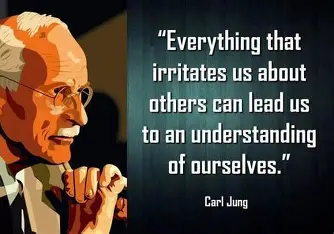
Rooted in Carl Jung’s concept of the shadow, this work suggests that what we most criticize or fear in others may be unacknowledged parts of ourselves. The phone becomes a portal to our unconscious: our envy, our insecurity, our suppressed desires—each reflected at us, pixel by pixel. Rather than confronting these inner truths, we attack the reflection. However, the truth exists within your device, guarded by your pocket. The selfie we retake 10 times, the filter we used to feel good about our appearance, the angry comment we posted, the searches we’re ashamed of, and the jealousy we feel. Locked in a cabinet from yourself and others. The question lingers: Is the mirror the problem, or is it just too honest?


Our screens blend beauty, nature, and self with our digital self-image, which can trap us. Technology can reveal and distort reality. Our devices become a modern mirror with a blurry reflection, hazy, layered, and complicated. The question becomes, what reality are you more comfortable in? More importantly, why?
Points to ponder.




Comments